
Louis Vuitton x Keith Haring: A Collaboration 40 Years in the Making
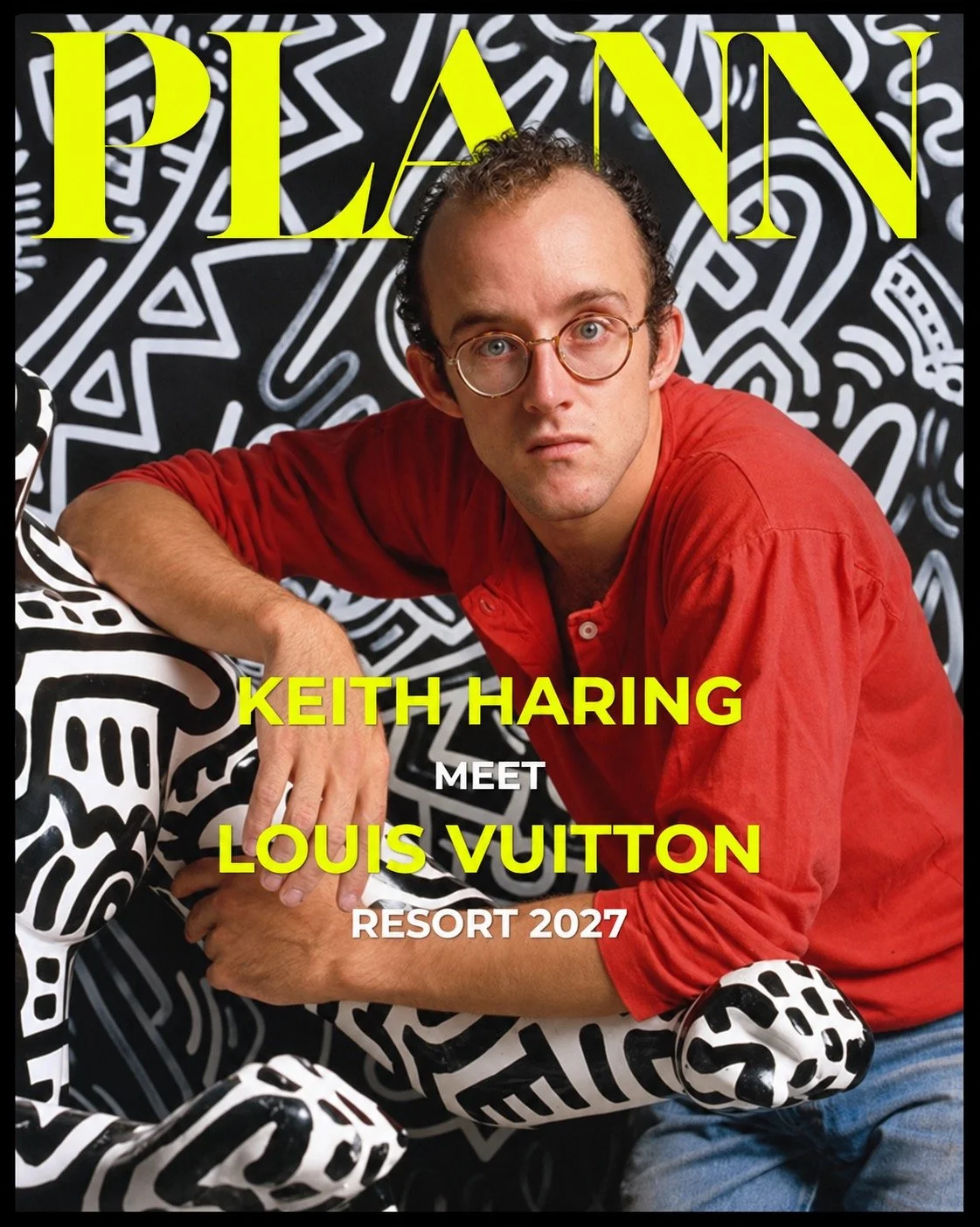
Imagine Keith Haring in 1984, marker in hand, drawing his unmistakable figures across an old Louis Vuitton suitcase. There was no campaign attached to it, no fashion-week rollout and certainly no Instagram post waiting to announce a collaboration. It was simply Haring doing what he did best: turning whatever was in front of him into a canvas. More than four decades later, that seemingly ordinary creative moment has become the beginning of something much bigger.
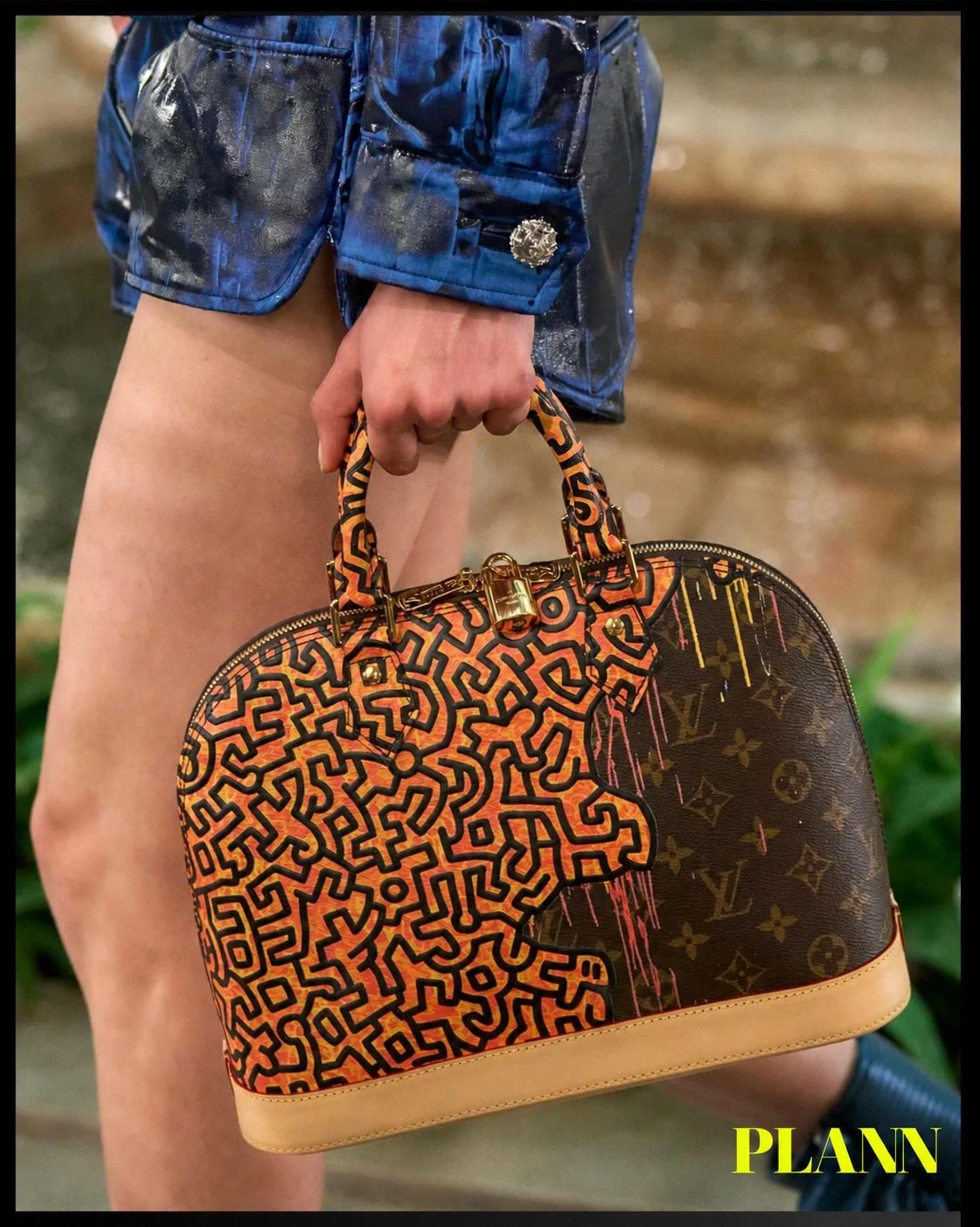
For Louis Vuitton’s Cruise 2027 collection, Nicolas Ghesquière has brought Haring’s world into the Maison, placing his energetic figures across clothing and accessories while revisiting that original suitcase from 1984. Fashion collaborations happen almost every week now, but this one feels different. Louis Vuitton and Keith Haring aren't being introduced to each other for the first time. In a strange way, Haring started this collaboration himself 42 years ago.
September 25th. Written by Ryan Packer
From the Subway to Louis Vuitton
Before Keith Haring became an artist whose work could appear inside one of the world's biggest luxury houses, New Yorkers could find him underground. Haring became known for drawing his figures across unused advertising panels in New York City subway stations, creating art in places where everyday people could experience it without ever purchasing a museum ticket. His dancing bodies, barking dogs and radiant babies became a visual language of their own.
That accessibility became part of what made Haring special. His artwork could be playful at first glance while addressing sexuality, politics, AIDS, love, death and inequality underneath the surface. Now those same lines have traveled from the New York subway system to Louis Vuitton. It's a journey that almost perfectly represents what has happened to Haring's legacy itself: what once lived on temporary walls underground has become some of the most recognizable artwork in the world.
The Suitcase That Started Everything
The most important piece in this entire story might not be something from 2027 at all. It's that suitcase from 1984. Louis Vuitton eventually acquired the Haring-covered case, preserving an object that accidentally connected two cultural worlds long before anyone thought to turn the relationship into an official collection. Ghesquière bringing that piece into the Cruise 2027 story makes the collaboration feel less like borrowing from an artist's archive and more like finishing an unfinished conversation.
There's something poetic about the reversal. In 1984, Keith Haring took Louis Vuitton and made it part of his world. In 2027, Louis Vuitton is taking Haring and making him part of theirs. The suitcase has traveled from an artist's spontaneous canvas to an archival object and finally into the inspiration behind an entire collection. Fashion loves digging through history, but rarely does history hand you a beginning this perfect.
When Art Meets the Monogram
Louis Vuitton has never been afraid to let artists disrupt its identity. Stephen Sprouse covered the Monogram in graffiti. Takashi Murakami filled it with color. Over the years, the house has repeatedly handed its most recognizable objects to artists and essentially told them to break the rules. Keith Haring feels almost designed for that tradition.
Haring's artwork brings movement to objects usually treated with extreme precision. His figures don't stand still. They dance, crawl, reach and collide with one another. Placed against the structure and craftsmanship associated with Louis Vuitton, that looseness becomes even more noticeable. Instead of art simply being printed onto fashion, the most interesting pieces feel like Haring's world has invaded Louis Vuitton — and that's exactly what a collaboration like this should do.
The Collaboration Was Already There
Louis Vuitton x Keith Haring could have easily been another blockbuster collaboration built around an instantly recognizable name. Haring's artwork is famous enough to sell the idea on sight alone. But focusing only on the dancing figures and expensive bags misses what makes this partnership interesting. The real story isn't that Louis Vuitton decided to collaborate with Keith Haring. It's that Keith Haring interacted with Louis Vuitton decades before the house officially returned the gesture.
Maybe that's why the collection feels so full-circle. Fashion is constantly obsessed with discovering what's next, yet some of its strongest moments happen when someone looks backward and finds a story that was never finished. Forty-two years ago, Keith Haring picked up a marker and drew across a Louis Vuitton suitcase. He couldn't have known where those lines would eventually lead. Now, decades after his death, they're leading straight back to Louis Vuitton.
Luxury Meets Accessibility
There is also an unavoidable contradiction sitting underneath the collection. Keith Haring believed deeply in making art accessible, while Louis Vuitton operates within a luxury industry built around rarity and exclusivity. A Haring character appearing on a bag worth thousands of dollars naturally raises a question: what happens when art made for everybody becomes fashion available to relatively few?
But Haring's relationship with commerce was more complicated than rejecting it altogether. In 1986, he opened the Pop Shop in New York, where people could purchase inexpensive shirts, posters, buttons and other objects featuring his work. He understood that art didn't have to remain trapped inside a gallery to matter. Haring wanted people wearing it, carrying it and living with it. Louis Vuitton takes that philosophy somewhere much more expensive, but the idea of transforming everyday objects into moving canvases was already part of his world.